
The Science of Gamification: Why Games Make Kids Learn Better
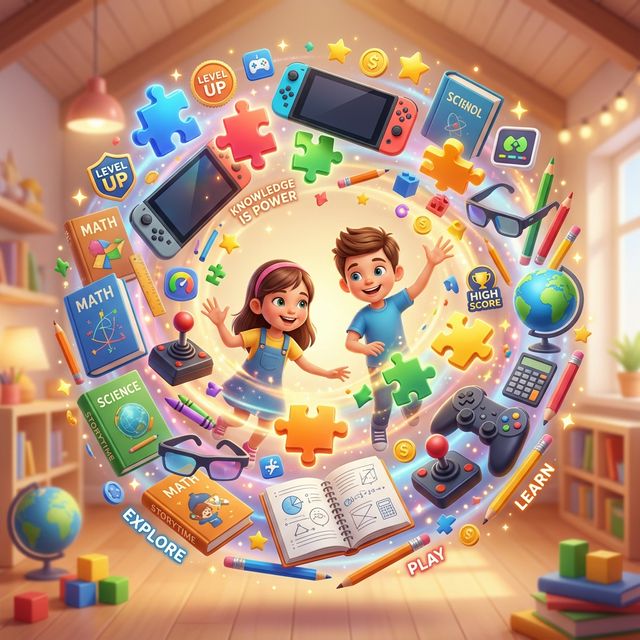
Why is it that a child can spend hours playing a video game but struggles to focus on ten minutes of math homework? The answer lies in the science of gamification.
The Hook: Engagement and Rewards
Gamification is the application of game-design elements and game principles in non-game contexts. In education, this means using mechanics like points, badges, levels, and narratives to keep students engaged. Human brains are wired to crave these rewards, releasing dopamine every time we level up or achieve a new milestone.
Active vs. Passive Learning
Unlike traditional learning, which can often be passive (listening to a lecture or reading a book), games require active participation. In ZippieWorld, kids aren't just solving equations; they are feeding their pets, decorating their rooms, and exploring new islands. Every math problem solved is a step forward in their digital adventure.
The Narrative Connection
Stories are powerful. By embedding learning within a narrative (like the world of Zippie), we give the practice meaning. Kids aren't just doing math; they are helping their chameleon friend succeed.
Why It Works for Math
Math can be intimidating for many children. Gamification removes the "fear of failure" by reframing mistakes as just another part of the game. If you get a question wrong, you don't "fail"—you just try again to earn your reward.
Conclusion
Games aren't just for downtime anymore. They are a essential part of the modern educational toolkit. By harnessing the power of play, we can turn the "chore" of math into the "adventure" of learning.
Join the Adventure
Discover how Zippie turns math into a game that kids actually want to play.
Explore ZippieWorld